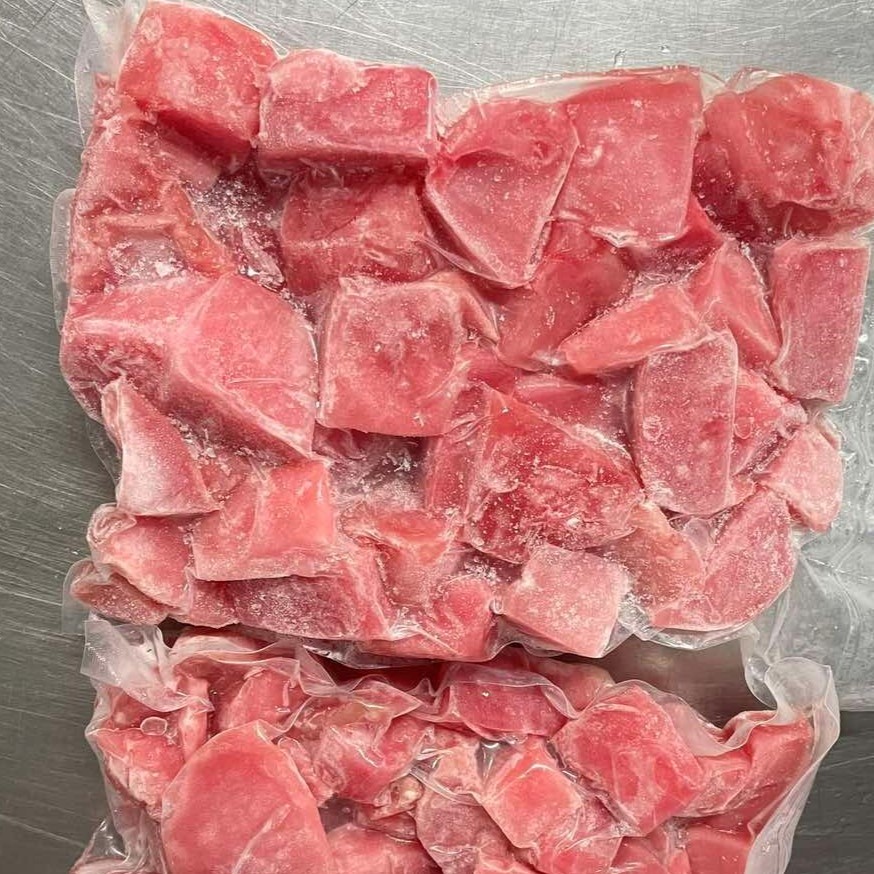


Entering the opening months of 2026, the Vietnamese seafood export landscape has experienced volatile fluctuations across traditional strongholds. Most notably, the Italian market—previously a shining beacon of growth for Vietnamese tuna in recent years—is transforming into a critical bottleneck, underscored by alarming downward trends.
A Historic Decline in Tuna Shipments to Italy
According to the latest statistical data from Vietnam Customs, the country's total tuna export turnover to Italy during the first five months of 2026 barely reached $5 million USD.
To put the scale of this downturn into perspective, the table below highlights the sharp contrast between the same period in 2025 and 2026:
| Metric | First 5 Months of 2025 | First 5 Months of 2026 | Growth Rate |
|---|---|---|---|
| Export Turnover | $18 million USD | $5 million USD | -71% |
This 71% crash comes as a major shock to the industry. Just a year prior, Italy stood out as one of the most resilient and fast-growing destination markets for domestic tuna exporters.
Short-Term Blip or a Persistent Bottleneck?
A primary concern for industry analysts is the compounding nature of this drop. Records show that the shrinking turnover was not an isolated incident; rather, it has taken place consistently month-over-month since the beginning of the year.
Expert Insight: A continuous decline lasting over five months indicates that this is no longer a brief market pause caused by logistics delays or seasonal shifting of order fulfillments. Instead, the Italian market is exposing systemic challenges facing Vietnamese seafood, particularly within the tuna sector.
The Root of the Issue: Steady Demand, Shifting Competitors
Looking strictly at the steep decline from Vietnam's end, it is easy to assume that consumer purchasing power in Italy has completely withered away. However, data provided by the Vietnam Association of Seafood Exporters and Producers (VASEP) and global import tracking maps paint a completely different picture.
During the first five months of 2026, Italy's total global tuna imports declined only slightly. This reveals two critical truths:
- Consumer demand for tuna within Italy remains fundamentally stable and robust.
- The core problem does not lie with market purchasing power, but rather with the competitiveness and consistency in keeping the order pace by Vietnamese enterprises.
As Vietnamese goods lose their footing and take a heavy hit, rival suppliers from Asia, the Americas, and intra-EU nations are moving fast to fill the vacuum, capturing the market share that Vietnam has left behind.
Navigating the Path Forward for Vietnamese Exporters
To reclaim its position in this strict yet highly lucrative market, Vietnamese tuna exporters must urgently optimize key pillars of their business models:
- Enhance Cost and Quality Competitiveness: Streamline production and logistics operations to deliver aggressive pricing structures against global rivals.
- Secure Supply Chain Continuity: Eliminate disruptions and delayed shipments to ensure continuous supply ("maintaining the order rhythm") for Italian buyers.
- Leverage Trade Agreements: Strictly adhere to rules of origin and EU technical barriers to maximize tariff preferences granted by the EVFTA.
Conclusion
The Italian market remains an attractive prize with stable consumer demand. While the 71% drop in the first five months of 2026 serves as a clear warning sign, it also provides an opportunity for the Vietnamese tuna industry to reassess its internal capabilities, restructure supply chains, and bolster market competitiveness to drive a recovery in the latter half of the year.