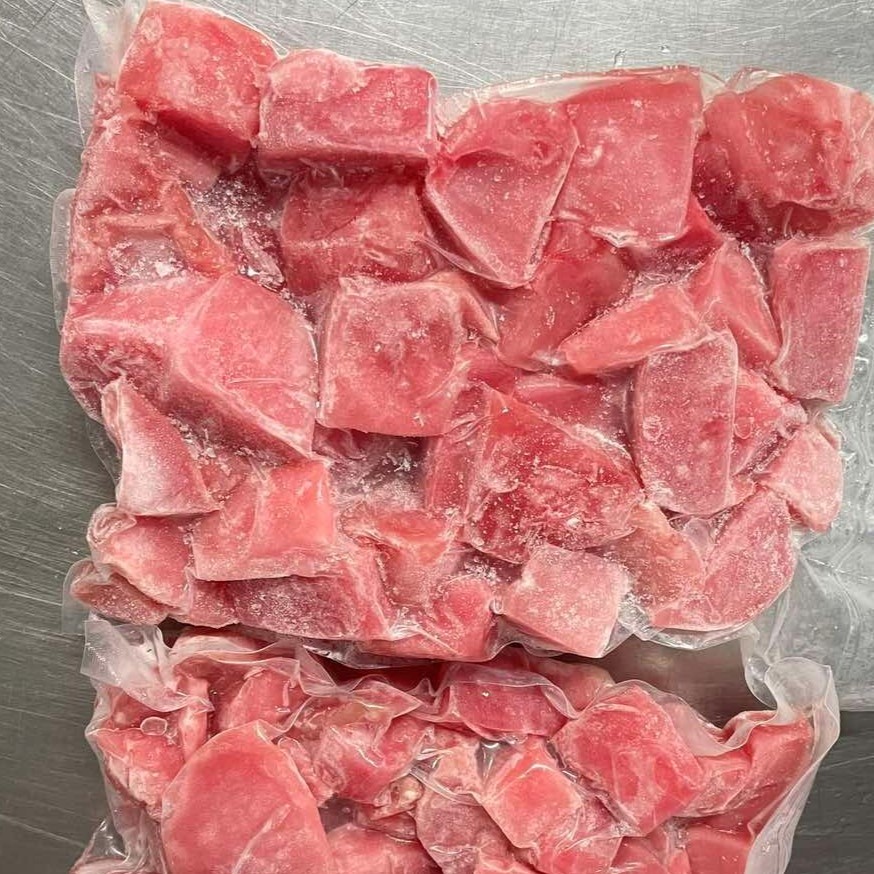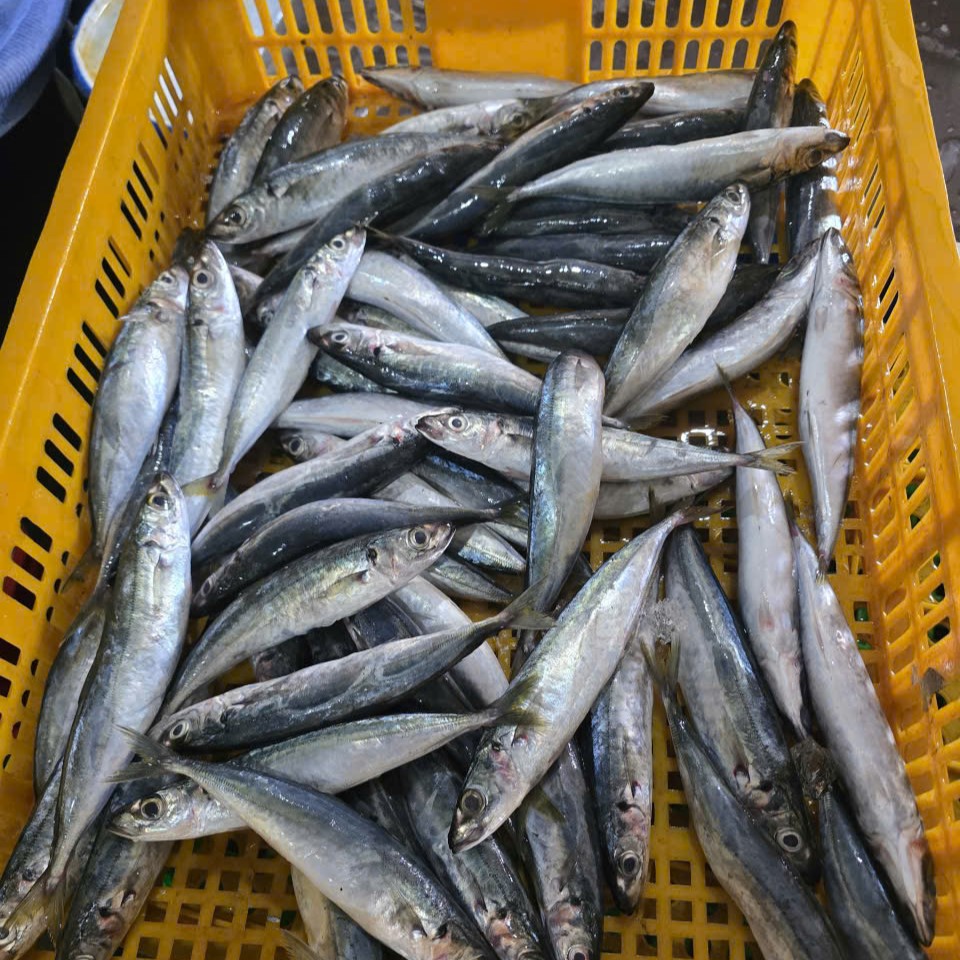


If you are looking for an affordable, highly nutritious, and flavorful seafood option, Layang Scad fish (Decapterus macrosoma) should be at the top of your grocery list. A staple in Southeast Asian cuisines—widely known as Ikan Layang in Malaysia and Indonesia, or Galunggong in the Philippines—this pelagic fish packs a serious culinary punch.
In this ultimate guide, we will explore the taste profile, health benefits, and the best ways to cook Layang Scad at home.
What is Layang Scad Fish?
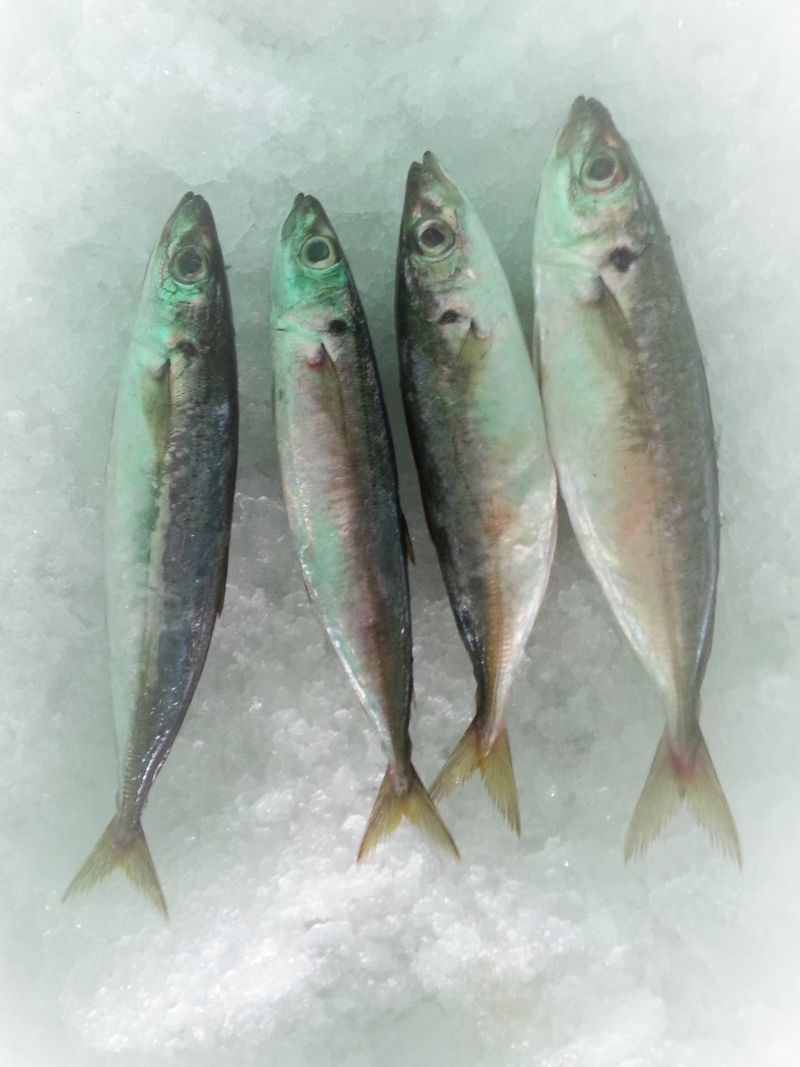
Layang Scad is a species of mackerel scad characterized by its elongated, slender body, silvery belly, and a distinctive bluish-green tint along its back. They are fast-swimming schooling fish found abundantly in tropical waters.
What Does Layang Scad Taste Like?
Layang Scad has a robust, distinctively savory flavor profile similar to mackerel or sardines. Because it is an active swimmer, its meat is firm, dense, and moderately oily. If you enjoy rich, full-flavored fish rather than mild, flaky white fish, you will love Layang Scad.
Nutritional Benefits
Don't let its budget-friendly price tag fool you; Layang Scad is a nutritional powerhouse.
- High in Omega-3 Fatty Acids: Excellent for cardiovascular health and brain function.
- Lean Protein: Supports muscle repair and keeps you full longer.
- Rich in Essential Minerals: Packed with Selenium, Vitamin D, and B-complex vitamins.
How to Prep Layang Scad Fish
Before cooking, proper preparation ensures the best flavor and texture:
- Thaw safely: If using frozen scad, thaw it overnight in the refrigerator.
- Clean and Gut: Scale the fish lightly (their scales are small but present), slice the belly to remove the innards, and rinse thoroughly under cold water.
- Score the Meat: Make 2 to 3 shallow, diagonal cuts on both sides of the fish. This helps marinades penetrate deeply and ensures even cooking.
The Best Way to Cook Layang Scad: Crispy Garlic Fried Fish
While Layang Scad is great in sour broths (like Sinaing or Asam Rebus), pan-frying highlights its rich oils and creates a wonderfully crunchy skin.
- 1 Marinate the Fish Duration: 15 minutes Pat the cleaned fish completely dry with paper towels (moisture prevents crispiness). Rub the fish inside and out with coarse salt, turmeric powder, and a squeeze of calamansi or lime juice. Let it sit for 15 minutes.
- 2 Heat the Oil Heat: Medium-high Heat a generous amount of neutral cooking oil (like canola or vegetable oil) in a skillet over medium-high heat. The oil must be hot enough that a drop of water sizzles instantly.
- 3 Fry the Scad Duration: 4-5 minutes per side Gently lower the fish into the hot oil. Do not move it for the first 4 minutes to allow a solid, golden crust to form. Flip once and fry the other side for another 4 minutes until crispy.
- 4 Garlic Garnish & Drain Duration: 1 minute In the final minute of frying, throw a handful of crushed garlic cloves directly into the oil next to the fish. Once the garlic turns golden brown, remove both the fish and garlic, draining them on paper towels.
Pro-Tip: Because Layang Scad has a naturally strong flavor, it pairs beautifully with high-acid, spicy, or pungent condiments. Serve it alongside a dipping sauce made of soy sauce, fresh chili, squeezed lime juice, and diced onions, accompanied by a steaming bowl of jasmine rice.
Premium Layang Scad for Import & Wholesale
Are you looking to source quality, sustainably caught Layang Scad for your international market? Partner with Hai Long VINA to guarantee quality controls, and reliable global shipping.
Contact our export team directly today to request a quote or discuss volume specifications:
Frequently Asked Questions (FAQs)
Is Layang Scad high in mercury?
Because they are smaller fish lower on the marine food chain, scads generally accumulate significantly less mercury than larger predatory fish like tuna or swordfish, making them safer for regular consumption.
Can you bake Layang Scad?
Yes! Wrap marinated scad in banana leaves or aluminum foil with sliced tomatoes, onions, and ginger, then bake at 200°C (400°F) for 15–20 minutes for a healthy, oil-free alternative.